
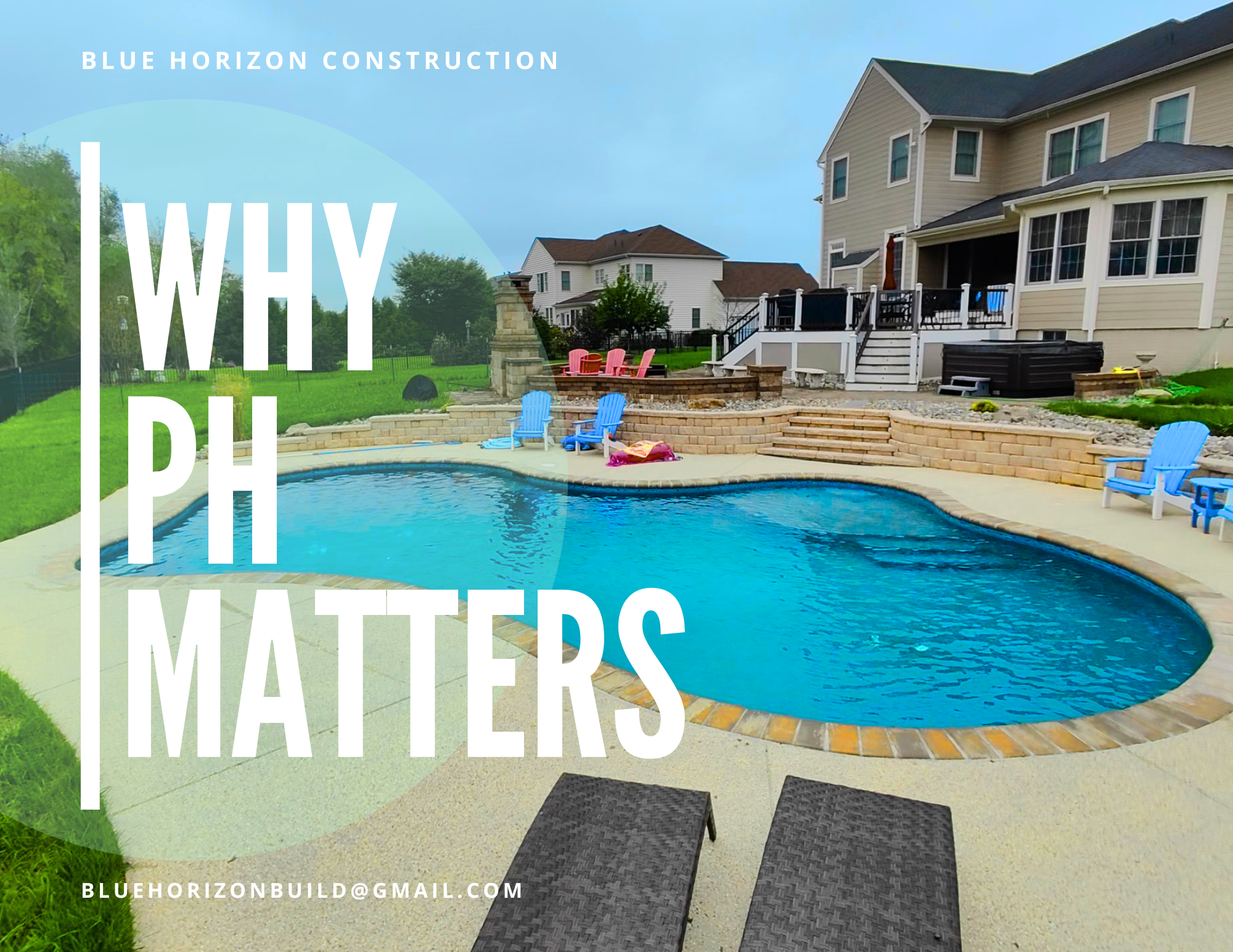
When people dream about their perfect backyard pool, they’re usually imagining crystal-clear water, sunny afternoons, and cannonballs: not chemistry lessons.
But behind every beautiful swimming pool is one small number doing a surprisingly big job: pH.
Don’t worry, we’re not about to transport you back to high school science class. This is the kind of chemistry that actually makes your pool look better, feel better, and cost less to maintain.
So, What Is pH?
pH is simply a measurement of how acidic or alkaline your pool water is. The scale runs from 0 to 14, with 7 being neutral. For swimming pools, the ideal range is 7.2 to 7.8, with many professionals aiming for around 7.4 to 7.6.
Think of pH as your pool’s personality. When it’s balanced, everything gets along beautifully. When it’s out of balance, things can become… dramatic.
When pH Is Too Low
Low pH means the water is too acidic.
That might sound harmless, but acidic water has a habit of picking fights with just about everything it touches.
You may notice:
- Eye and skin irritation for swimmers
- Corrosion of metal fixtures and pool equipment
- Damage to plaster, grout, and other finishes
- Faster wear on pumps, heaters, and chlorinators
Your pool shouldn’t feel like it’s auditioning to be a science experiment.
When pH Is Too High
On the other end of the scale, high pH creates its own set of headaches.
Water that’s too alkaline can cause:
- Cloudy water
- Scale buildup on tiles and equipment
- Reduced chlorine effectiveness
- Rough surfaces that don’t feel great underfoot
In other words, you could be adding chlorine, cleaning regularly, and still wondering why your pool looks more “mystery lagoon” than “luxury resort.”
pH and Chlorine: They’re a Team
Here’s something many pool owners don’t realise:
You can have plenty of chlorine in your pool, but if the pH isn’t balanced, the chlorine can’t do its job effectively.
It’s a bit like hiring an excellent lifeguard and then asking them to work blindfolded.
Balanced pH helps chlorine sanitize efficiently, keeping your water cleaner while reducing the amount of chemicals needed over time.
Why New Pools Need Extra Attention
If you’ve recently built a new pool, keeping an eye on pH is especially important.
Fresh plaster and new finishes naturally affect water chemistry during the first several weeks or months. Regular testing and balancing help protect your investment while allowing the surfaces to cure properly.
This is one reason professional pool builders recommend following a structured start-up and maintenance plan after construction.
Prevention Is Cheaper Than Repairs
Maintaining proper pH isn’t just about keeping the water comfortable,it’s about protecting thousands of dollars’ worth of equipment and finishes.
A few minutes of routine testing can help prevent:
- Premature equipment failure
- Surface staining or etching
- Costly repairs
- Excess chemical use
- Frustrating water quality issues
Think of it as preventative maintenance. It’s much less expensive than replacing a heater because your water decided to become a part-time metal enthusiast.
Keeping Things Balanced
Testing your pool water regularly is one of the easiest ways to keep your pool in excellent condition. Whether you use test strips, a liquid testing kit, or digital testing equipment, consistent monitoring allows small adjustments before they become big problems.
Of course, if you’d rather spend your weekends swimming than playing amateur chemist, professional pool maintenance can take the guesswork out of water care.
The Bottom Line
Your pool’s pH might not be the most exciting topic at your next barbecue, but it’s one of the most important factors in keeping your water clear, your equipment protected, and your swimming experience enjoyable.
A well-balanced pool is healthier, more comfortable, easier to maintain, and ultimately less expensive to own.
And that’s the kind of chemistry everyone can appreciate.